MENU
BR | BRL

BR | BRL
-
- Todas as centrífugas
- Centrífugas de bancada
- Centrífugas de chão
- Centrífugas refrigeradas
- Microcentrífugas
- Centrífugas multifuncionais
- Centrífugas de alta velocidade
- Ultracentrífugas
- Concentrador
- Consumíveis de alta velocidade e de ultracentrifugação
- Tubos de centrifugação
- Placas de centrifugação
- Software de gestão de equipamentos
- Gestão de amostras e informações
-
- Todas as pipetas, dispensadores e equipamentos para manuseio de líquidos automatizados
- Pipetas mecânicas
- Pipetas eletrônicas
- Pipetas multicanal
- Pipetas de deslocamento positivo e dispensadores
- Ponteiras de pipeta
- Dispensadores de frascos
- Controladores de pipeta
- Acessórios para dispensadores e pipetas
- Pipetagem Automatizada
- Consumíveis de automação
- Acessórios de automação
- Serviços para pipetas e equipamentos para manuseio de líquidos
Sorry, we couldn't find anything on our website containing your search term.
Sorry, we couldn't find anything on our website containing your search term.
The Plant Bible
Explore Life Science
- Nature
- Off the Bench
- Exploring Life
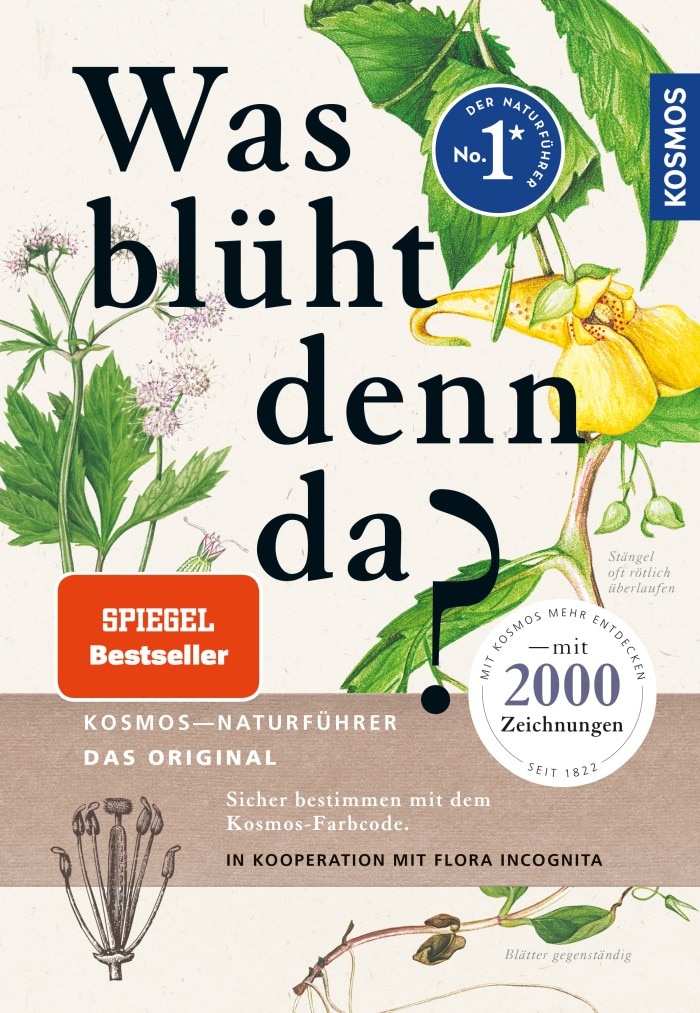
The Book “What’s Blooming Over There?” has been published since 1935. An appreciation.
They are called “Pl@ntNet”, “Flora Incognita”, or “iNaturalist”, and they allow laypeople to identify plants and insects with ease. Before apps like these existed, the only option was reaching for a book. The unchallenged bestseller was – and still is – “What’s Blooming Over There?”. Nature lovers could leaf through the impressive work and find out, without prior botanical knowledge, what the difference is between an opium and a long-headed poppy.
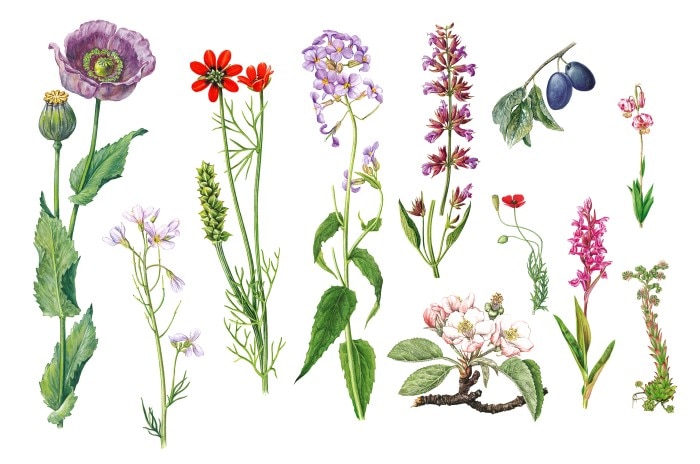
Marianne Golte-Bechtle created the book with more than 600 illustrations, every one drawn accurately by hand. She had completed an apprenticeship at the Senckenberg Natural History Museum in Frankfurt am Main and studied scientific graphic design. That is why it is not only the drawings that are fascinating, but also the book’s clever structure: first, the readers sort the petals into one of five colors, then the petals are counted. Lastly, the readers select one of four petal shapes. The result is a small selection of plants that, based on the detailed drawings, can now be compared with the original.
While the first edition of the book in 1935 was published in black-and-white, in 1973 the flowers sprang forth in color. Marianne Golte-Bechtle produced more than 1,000 illustrations of plants over her lifetime. She died on January 1st, 2023, at the age of 81. For botany lovers, her drawings survive and, even in these days of digital images, they remain superior to any photograph.
Marianne Golte-Bechtle created the book with more than 600 illustrations, every one drawn accurately by hand. She had completed an apprenticeship at the Senckenberg Natural History Museum in Frankfurt am Main and studied scientific graphic design. That is why it is not only the drawings that are fascinating, but also the book’s clever structure: first, the readers sort the petals into one of five colors, then the petals are counted. Lastly, the readers select one of four petal shapes. The result is a small selection of plants that, based on the detailed drawings, can now be compared with the original.
While the first edition of the book in 1935 was published in black-and-white, in 1973 the flowers sprang forth in color. Marianne Golte-Bechtle produced more than 1,000 illustrations of plants over her lifetime. She died on January 1st, 2023, at the age of 81. For botany lovers, her drawings survive and, even in these days of digital images, they remain superior to any photograph.
Ler mais
Finely elaborated
With the book “What’s Blooming Over There?” plant lovers can get their bearings from the many illustrations